

Carbon footprint calculator tools have become essential for anyone who wants to understand and reduce their environmental impact. Climate awareness is no longer limited to governments and corporations. Individuals now play a key role in reducing global emissions.
A carbon footprint calculator helps you measure the total greenhouse gases produced by your daily activities. This includes transportation, energy use, diet, and lifestyle habits. Once you understand your emissions, you can take concrete steps to reduce them.
Using an online tool like the Carbon Footprint Calculator on Calculatorr.com allows you to track emissions accurately and make data driven decisions. This guide explains how to use a carbon footprint calculator, interpret results, and apply practical strategies to lower your emissions.
What Is a Carbon Footprint Calculator
A carbon footprint calculator is an online tool that estimates the amount of carbon dioxide equivalent emissions generated by a person, household, or activity. These emissions are usually measured in metric tons of CO₂ per year.
The calculator analyzes multiple factors, including:
-
Electricity and energy consumption
-
Transportation habits
-
Food and diet choices
-
Waste production
-
Travel frequency
The Carbon Footprint Calculator available at
https://calculatorr.com/financial-calculators
is designed to be simple, fast, and accessible to international users.
Unlike generic estimates, a calculator provides personalized results based on real inputs.
Why Tracking Your Carbon Footprint Matters
Tracking emissions is the first step toward meaningful reduction. Without data, it is impossible to know where the biggest impact comes from.
Key reasons why tracking matters:
-
Raises awareness of hidden emission sources
-
Helps prioritize lifestyle changes
-
Encourages sustainable habits
-
Supports long term environmental goals
-
Aligns personal choices with global climate action
Many people are surprised to learn that transportation or food choices contribute more emissions than electricity usage. A carbon footprint calculator reveals these patterns clearly.
How to Use a Carbon Footprint Calculator Step by Step
Using the Carbon Footprint Calculator on Calculatorr.com is straightforward and requires only a few minutes.
Step 1 Enter Household Energy Data
You start by entering information about your energy consumption, such as:
-
Electricity usage
-
Gas or heating fuel
-
Renewable energy sources
If you are unsure of exact numbers, the calculator allows estimates based on average usage.
Step 2 Add Transportation Habits
Transportation is often the largest contributor to personal emissions.
You will enter details such as:
-
Car type and fuel
-
Weekly driving distance
-
Public transportation usage
-
Flights per year
For frequent travelers, this section significantly impacts results.
Step 3 Include Diet and Lifestyle Choices
Diet plays a major role in emissions.
The calculator may ask about:
-
Meat consumption frequency
-
Dairy intake
-
Plant based meals
-
Food sourcing habits
Lifestyle choices such as shopping habits and waste management also affect the final footprint.
Step 4 Review Your Carbon Footprint Results
Once data is entered, the calculator provides:
-
Total annual carbon footprint
-
Emissions by category
-
Comparison to global averages
This breakdown is essential for understanding where to focus reduction efforts.
Understanding Your Carbon Footprint Results
Carbon footprint results are typically displayed in tons of CO₂ equivalent per year.
Common Result Categories
-
Transportation emissions
-
Home energy emissions
-
Food related emissions
-
Goods and services emissions
Each category shows its share of your total footprint. For example, transportation might account for 40 percent, while food contributes 25 percent.
Comparing Your Footprint to Averages
Many calculators compare your footprint to:
-
National averages
-
Global averages
-
Sustainability targets
This context helps determine whether your emissions are above or below recommended levels.
How to Reduce Your Carbon Footprint Using Calculator Result


Once you understand your footprint, the next step is reduction. The calculator results act as a roadmap for improvement.
Reducing Transportation Emissions
Transportation changes often produce the biggest reductions.
Effective strategies include:
-
Switching to public transport
-
Carpooling or ride sharing
-
Driving fuel efficient or electric vehicles
-
Reducing unnecessary travel
-
Combining errands into fewer trips
Using a Fuel Cost Calculator or Electric Vehicle Cost Calculator from Calculatorr.com can help evaluate savings.
Lowering Home Energy Emissions
Energy efficiency improvements reduce emissions and save money.
Practical actions include:
-
Switching to LED lighting
-
Improving insulation
-
Using energy efficient appliances
-
Reducing heating and cooling usage
-
Investing in renewable energy sources
You can combine this with the Electricity Cost Calculator to measure financial impact.
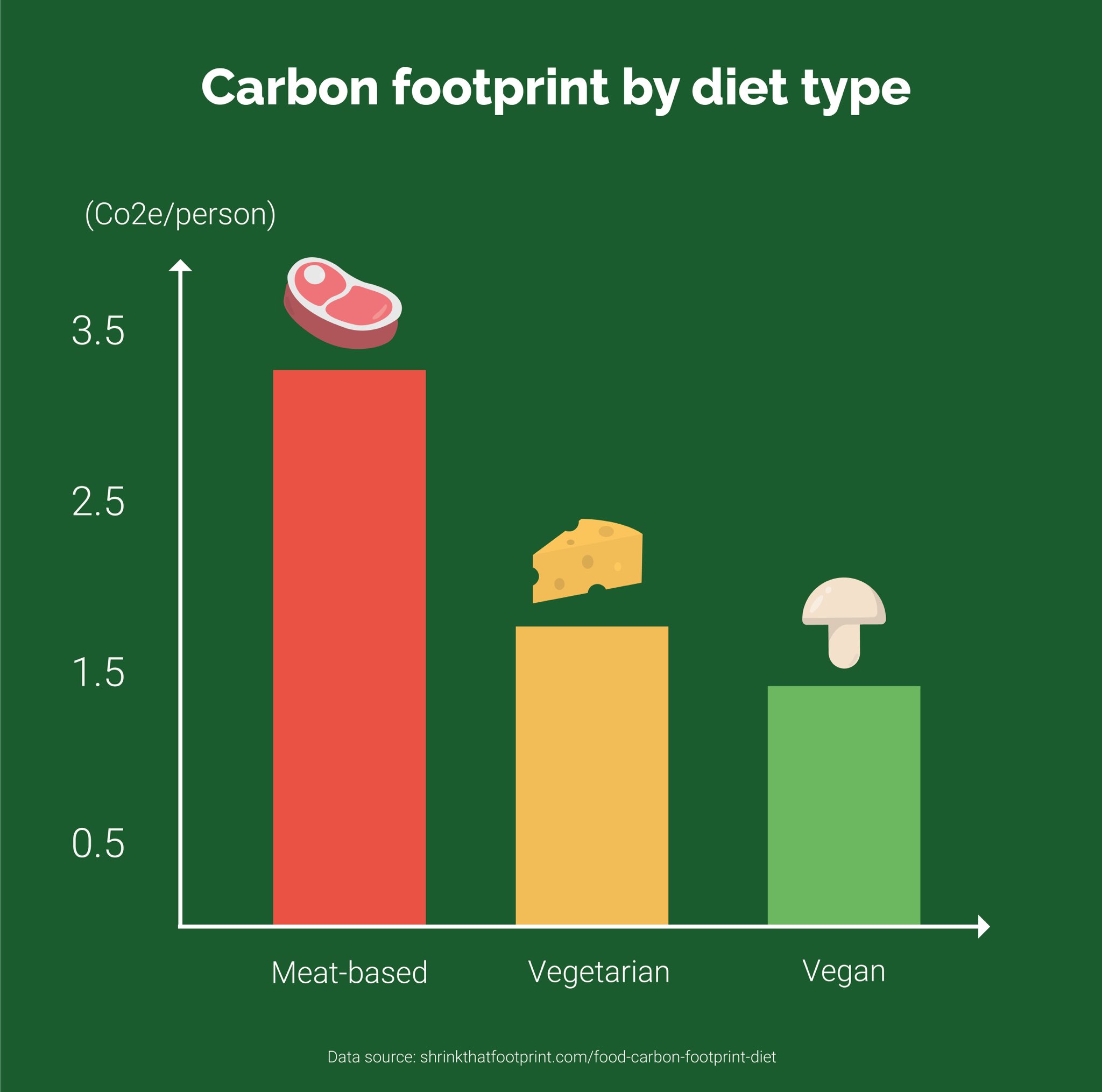
Adjusting Diet for Lower Emissions
Food related emissions are often overlooked.
Low impact dietary changes include:
-
Reducing red meat consumption
-
Increasing plant based meals
-
Buying local and seasonal foods
-
Reducing food waste
Even small changes can significantly lower your footprint over time.
Reducing Consumption and Waste
Consumer habits influence emissions beyond energy and food.
Key actions:
-
Buying fewer disposable products
-
Choosing durable and reusable items
-
Recycling properly
-
Avoiding fast fashion
-
Repairing instead of replacing
Tracking waste habits can complement your calculator results.
Real Life Use Cases of Carbon Footprint Calculators
Case 1 Urban Commuter Reducing Emissions
A city worker discovers transportation accounts for half of their footprint. By switching from driving to public transit three days a week, they reduce annual emissions by nearly one ton.
Case 2 Family Improving Home Energy Efficiency
A household uses the calculator to identify heating as their main issue. After upgrading insulation and reducing thermostat usage, emissions drop by 20 percent.
Case 3 Remote Worker Adopting Sustainable Habits
A remote worker learns food choices are their biggest contributor. By reducing meat consumption and meal planning, they lower emissions while saving money.
Carbon Footprint Calculator for Long Term Tracking
Tracking emissions once is useful, but long term monitoring is even better.
You should recalculate your footprint:
-
After major lifestyle changes
-
When moving homes
-
After purchasing a new vehicle
-
Annually as part of sustainability goals
Using the same calculator consistently allows accurate comparisons over time.
Combining Carbon Footprint Tracking with Other Calculators
Calculatorr.com offers complementary tools that support sustainable living.
Useful internal tools to link:
-
Budget Calculator for tracking eco friendly savings
-
Fuel Cost Calculator for transportation efficiency
-
Energy Cost Calculator for home usage
-
Time Cost Calculator to evaluate lifestyle changes
Internal linking strengthens SEO and improves user experience.
Common Mistakes When Using a Carbon Footprint Calculator
Avoid these frequent issues:
-
Guessing without reasonable estimates
-
Ignoring smaller categories
-
Focusing only on one area
-
Expecting immediate perfection
-
Not recalculating after changes
The goal is progress, not zero emissions overnight.
Who Should Use a Carbon Footprint Calculator
This tool is ideal for:
-
Individuals seeking sustainable lifestyles
-
Families reducing household impact
-
Students learning about climate change
-
Remote workers optimizing daily habits
-
Travelers monitoring emissions
No technical knowledge is required.
Carbon Footprint Calculator and Global Sustainability Goals
Personal emission reductions support broader climate objectives.
When many individuals track and reduce emissions:
-
Demand for sustainable products increases
-
Energy efficiency adoption grows
-
Carbon awareness spreads globally
Small actions multiply into meaningful impact.