
Currency conversion mistakes are one of the most common and costly problems travelers face when visiting another country. From overpaying at the airport to misunderstanding exchange rates, small errors can quietly drain your travel budget. Using a reliable currency converter and understanding how conversions really work can save you a surprising amount of money.
This guide explains the most frequent currency conversion mistakes travelers always make, why they happen, and how to avoid them using
Why Currency Conversion Matters More Than You Think
Many travelers focus on flights and accommodation but underestimate how much poor currency conversion decisions can cost. Exchange rates fluctuate daily. Fees are often hidden. Psychological tricks make prices feel cheaper in unfamiliar currencies.
Over a full trip, these mistakes can add up to hundreds of dollars.
Understanding conversion basics helps you:
-
Stick to your travel budget
-
Compare prices accurately
-
Avoid scams and unnecessary fees
-
Make smarter payment decisions abroad
The Most Common Currency Conversion Mistakes Travelers Make
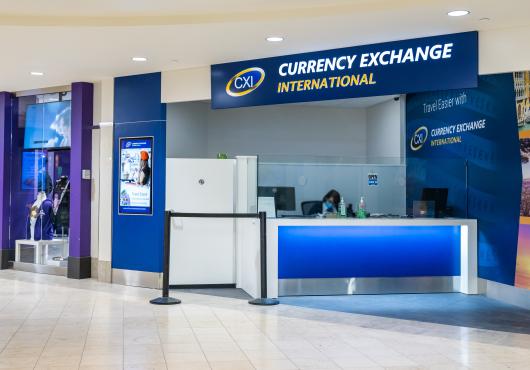
Exchanging Money at the Airport
Airports are one of the worst places to exchange currency.
Why this is a mistake:
-
Exchange rates are significantly worse
-
Service fees are higher
-
Limited competition keeps prices inflated
Airports rely on convenience, not fairness. Many travelers accept bad rates simply because they are tired or in a hurry.
Better alternative:
-
Exchange a small emergency amount only
-
Use a currency converter before your trip to estimate how much you really need
-
Withdraw local currency from an ATM in the city center
Using the Currency Converter before landing helps you recognize when a rate is unfair.
Not Knowing the Real Exchange Rate
Many travelers have no idea what the actual exchange rate is.
This leads to:
-
Overpaying for goods
-
Accepting bad deals
-
Falling for tourist pricing
Vendors may show prices that “look cheap” but are expensive once converted.
Solution:
-
Check the current exchange rate daily
-
Convert common amounts in advance
-
Use a mobile-friendly converter tool
A fast online converter allows you to instantly calculate values and stay aware of real costs.
Letting Merchants Convert Prices for You
This is known as Dynamic Currency Conversion.
What happens:
-
You pay in your home currency instead of local currency
-
The merchant sets the exchange rate
-
Extra markup is added without clear disclosure
This often appears as a “convenience” option on card terminals.
Why it is bad:
-
Exchange rates are worse than your bank’s
-
Fees are hidden inside the conversion
-
You lose control over the transaction
Best practice:
-
Always choose to pay in local currency
-
Let your bank handle the conversion
-
Verify amounts with a currency converter
Ignoring Conversion Fees and Hidden Charges
Many travelers focus only on exchange rates and forget fees.
Common hidden costs include:
-
ATM withdrawal fees
-
Foreign transaction fees
-
Currency exchange commissions
Even a good exchange rate can be ruined by high fees.
What to do:
-
Check your bank’s foreign transaction policy
-
Compare total costs, not just rates
-
Use calculators to estimate final amounts
Misunderstanding Decimal Placement
This mistake is more common than expected.
Examples:
-
Confusing 1,000 with 10.00
-
Misreading commas and periods
-
Misplacing decimal points when converting
This can lead to:
-
Overpaying tips
-
Paying ten times more than intended
-
Embarrassing checkout situations
Tip:
-
Convert prices slowly
-
Use trusted digital tools
-
Avoid mental math when tired
A precise online converter eliminates guesswork.
Psychological Traps That Affect Currency Decisions
Thinking Prices Are Cheaper Than They Are
Large numbers can trick your brain.
For example:
-
500 looks small compared to 20
-
But in some currencies, 500 may equal $20
This causes:
-
Overspending
-
Poor budget control
-
Regret after conversion
Habit to build:
-
Convert prices before buying
-
Set spending limits in your home currency
-
Track expenses daily
Rounding Errors Add Up Quickly
Rounding down seems harmless.
Example:
-
You estimate €9.70 as €9
-
You do this multiple times per day
Over time:
-
Small rounding errors become large losses
-
Your budget slowly disappears
Use exact conversions whenever possible instead of rough estimates.
Digital vs Cash Conversion Mistakes
Relying Only on Cash Exchanges
Some travelers still believe cash is always cheaper.
Reality:
-
Cards often offer better rates
-
Cash exchanges include commissions
-
Carrying large cash amounts increases risk
Balanced approach:
-
Use cards for large purchases
-
Withdraw cash for small vendors
-
Compare both using a currency converter
Not Tracking Conversion Rates During the Trip
Exchange rates change constantly.
Ignoring this leads to:
-
Using outdated assumptions
-
Making bad timing decisions
-
Missing opportunities for better rates
Simple solution:
-
Check rates every morning
-
Bookmark a reliable converter
-
Monitor trends during long trips
Real-Life Travel Scenarios and How to Avoid Costly Errors
Scenario 1 Shopping in a Tourist Market
A souvenir costs 1,200 in local currency.
Common mistake:
-
Thinking it is cheap because the number feels small
Correct approach:
-
Use a converter to see real value
-
Compare with similar items
-
Negotiate with confidence
Scenario 2 Paying by Card at a Restaurant
The terminal asks:
-
Pay in USD or local currency
Wrong choice:
-
Selecting USD without checking the rate
Right choice:
-
Always select local currency
-
Let your bank handle conversion
Scenario 3 Withdrawing Cash Abroad
ATM shows:
-
Fixed fee plus percentage markup
Mistake:
-
Ignoring total cost
Solution:
-
Calculate final amount with tools
-
Withdraw larger amounts less frequently
-
Choose partner banks when possible
How to Use a Currency Converter Correctly
Using a currency converter is simple, but many people use it incorrectly.
Best practices:
-
Use up-to-date tools
-
Double-check source reliability
-
Convert realistic amounts, not just round numbers
Step-by-Step Guide
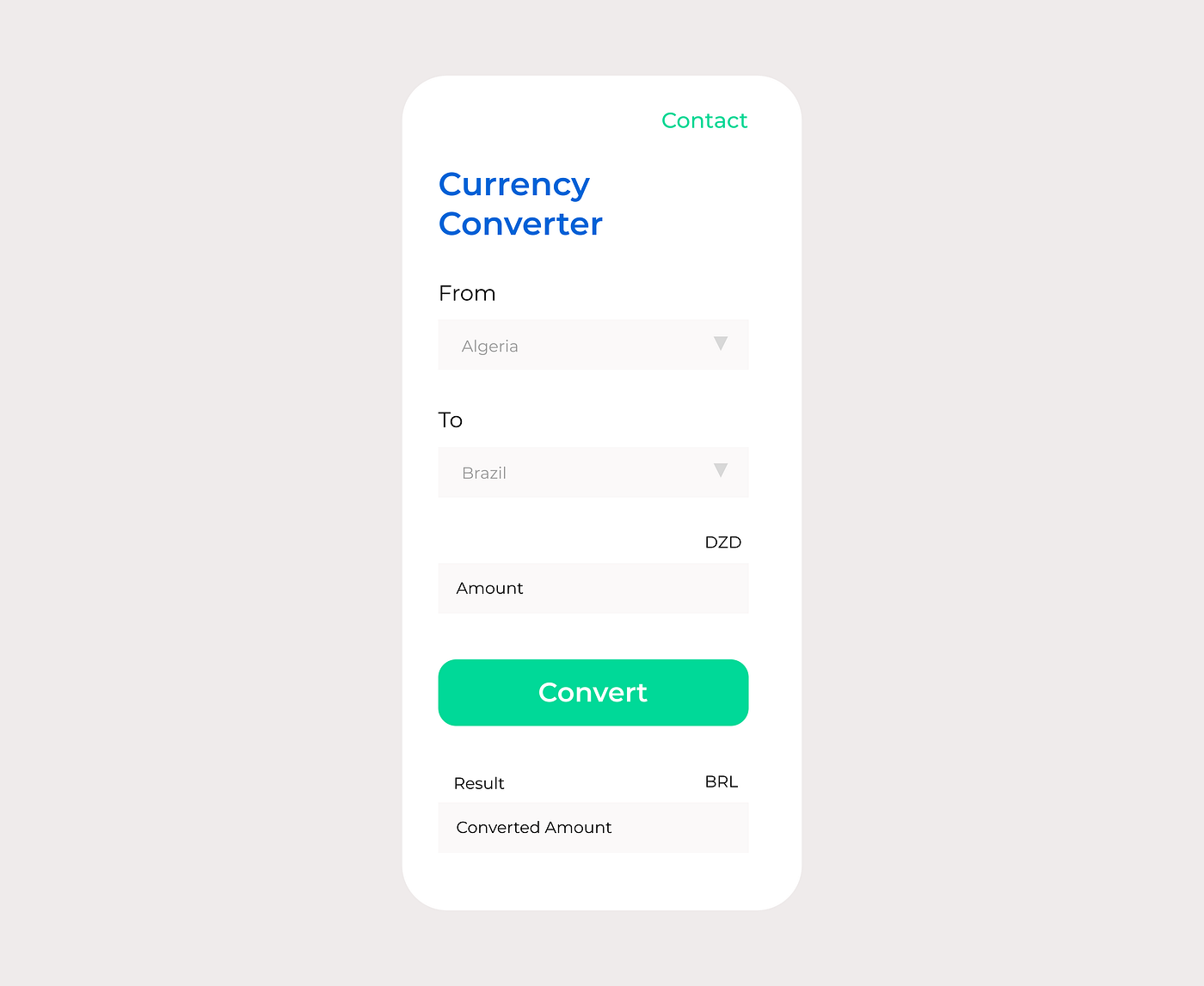
-
Select your home currency
-
Select the destination currency
-
Enter the exact amount you want to convert
-
Review the result and compare with local offers
This process takes seconds and can save real money.
Long-Term Travel and Digital Nomad Mistakes
Not Accounting for Monthly Conversion Losses
If you stay abroad for months:
-
Small fees compound
-
Conversion losses become significant
Digital nomads often lose money without realizing it.
Solution:
-
Track conversion costs monthly
-
Compare banks and cards
-
Use converters regularly
Using Unverified Exchange Apps
Not all apps show real market rates.
Risks:
-
Outdated data
-
Hidden affiliate markups
-
Misleading “best rate” claims
Always rely on transparent, calculation-based tools.