
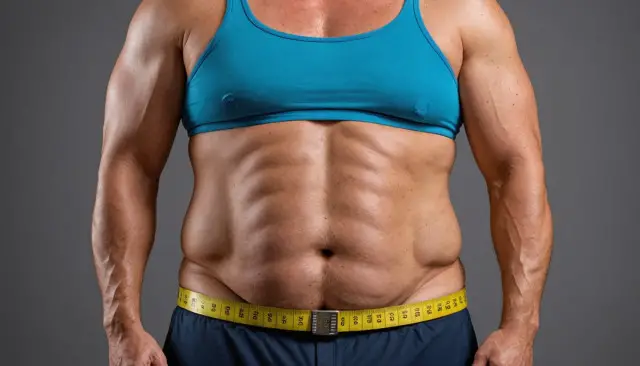
Understanding Body Fat Percentage and Its Importance
Body fat percentage represents the total mass of fat divided by total body mass, multiplied by 100. Unlike simple weight or Body Mass Index (BMI), this metric provides a clear picture of body composition by distinguishing between fat mass and lean mass, which includes muscles, bones, water, and organs. In 2026, health professionals prioritize body fat percentage over weight because it more accurately reflects physical fitness and metabolic health. Carrying excess body fat, particularly visceral fat stored around organs, is linked to various health risks, while maintaining an optimal range supports hormonal balance and athletic performance.
Fat is not inherently negative; it serves essential functions such as energy storage, organ protection, and temperature regulation. However, the distribution and amount of fat are what determine health outcomes. By calculating your body fat percentage, you can track whether your weight loss comes from fat or valuable muscle tissue. This distinction is crucial for anyone following a fitness program or a specific nutritional plan.
The Difference Between Body Fat Percentage and BMI
While both metrics are used to assess health, they serve different purposes. BMI is a simple calculation based on height and weight. It is a useful screening tool for large populations but often fails individuals with high muscle mass. For example, an athlete might have a high BMI that categorizes them as overweight, even though their body fat percentage is very low. Body fat percentage solves this discrepancy by focusing on what the weight actually consists of.
Measuring body fat provides a more personalized approach to health. It allows for the identification of 'skinny fat' individuals—those who have a normal weight and BMI but possess a high percentage of body fat and low muscle mass, which can still lead to metabolic issues. Using tools available at https://calculatorr.com/ helps users move beyond the scale and understand their true physical state.
How to Measure Body Fat Percentage Using the Navy Method
The U.S. Navy Method is one of the most popular and accessible ways to estimate body fat percentage without expensive equipment like DEXA scans or hydrostatic weighing. It relies on specific circumference measurements of the body and applies them to a validated mathematical formula. While it has a small margin of error, it is remarkably consistent for tracking progress over time.
Essential Tools for Accurate Measurement
To get the most accurate results, you will need a flexible measuring tape (preferably fiberglass or plastic) and a way to record your height. It is best to take measurements on bare skin or very thin clothing to avoid adding unnecessary millimeters to the results. Consistency is key; always measure at the same time of day, ideally in the morning before eating or exercising.
Step-by-Step Measurement Guide for Men
For men, the Navy Method requires two primary circumference measurements and your height. Follow these steps carefully: First, measure your neck just below the larynx (Adam's apple), keeping the tape horizontal and the neck relaxed. Second, measure your waist at the level of the navel. Do not suck in your stomach; maintain a natural posture and measure at the end of a normal exhalation. Ensure the tape is snug against the skin but not compressing the tissue.
Step-by-Step Measurement Guide for Women
For women, the calculation includes an additional measurement to account for natural fat distribution in the lower body. First, measure the neck just below the larynx. Second, measure the waist at the narrowest point, usually just above the navel. Third, measure the hips at the widest point of the buttocks. As with the men's measurement, keep the tape horizontal and snug without pulling it too tight. Accurate height is also required for the final calculation.
The Mathematical Formulas for Body Fat
The Navy Method uses logarithmic equations to estimate body density, which is then converted into a percentage. These formulas are designed for metric units (centimeters). If you use inches, you must convert them to centimeters first (1 inch = 2.54 cm).
Formula for Men (Metric Units)
The formula for men is: 495 / (1.0324 - 0.19077 * log10(waist - neck) + 0.15456 * log10(height)) - 450. This equation accounts for the fact that men tend to store more fat in the abdominal region.
Formula for Women (Metric Units)
The formula for women is: 495 / (1.29579 - 0.35004 * log10(waist + hip - neck) + 0.22100 * log10(height)) - 450. This version includes hip measurements to better reflect female physiology and fat storage patterns.
Manual Calculation Example
Let us walk through a manual calculation for a male individual. Suppose he has a height of 180 cm, a waist circumference of 90 cm, and a neck circumference of 40 cm. First, we find the difference between the waist and neck: 90 - 40 = 50. Next, we calculate the log10 of this difference: log10(50) is approximately 1.698. Then, we find the log10 of the height: log10(180) is approximately 2.255.
Plugging these into the formula: 1.0324 - (0.19077 * 1.698) + (0.15456 * 2.255). This results in 1.0324 - 0.3239 + 0.3485, which equals 1.057. Finally, we apply the last part of the equation: (495 / 1.057) - 450. This gives 468.3 - 450, resulting in a body fat percentage of 18.3%. This individual would fall into the 'Fitness' category for men.
Using an Online Body Fat Calculator for Precision
While manual calculations are excellent for understanding the logic behind the numbers, they are prone to human error. Using a digital tool at https://calculatorr.com/ ensures that the logarithmic functions are applied with 100% precision. An online calculator allows you to quickly toggle between metric and imperial units and provides instant results that you can track over weeks or months. To use the tool, simply enter your gender, height, and the required circumference measurements. The system will handle the complex math, giving you more time to focus on your nutrition and training goals.
Interpreting Your Body Fat Percentage Results
Once you have your number, it is important to know what it means. Body fat ranges differ significantly between men and women due to biological requirements for reproduction and hormonal health. The following table outlines the standard categories used by health organizations.
| Category | Men (%) | Women (%) |
|---|---|---|
| Essential Fat | 2-5% | 10-13% |
| Athletes | 6-13% | 14-20% |
| Fitness | 14-17% | 21-24% |
| Acceptable | 18-24% | 25-31% |
| Obese | 25%+ | 32%+ |
Essential fat is the minimum amount required for basic physical and physiological health. Dropping below these levels can be dangerous. The 'Athletes' and 'Fitness' ranges are often the target for those looking to improve performance or aesthetics, while the 'Acceptable' range is considered healthy for the general population. If your results fall into the 'Obese' category, it may be beneficial to consult with a healthcare provider to develop a plan for reducing fat mass to lower the risk of chronic diseases.
Common Mistakes When Measuring Body Fat
To ensure your tracking is reliable, avoid these common pitfalls. The most frequent error is inconsistent tape placement. Even a one-centimeter shift in where you measure your waist can significantly alter the final percentage. Another mistake is measuring at different times of the day. Body water fluctuations can affect circumference; for example, you might be slightly more bloated in the evening than in the morning.
Additionally, do not rely on a single measurement to make major health decisions. Body fat estimation is a trend-tracking tool. Look at the average of your measurements over several weeks rather than reacting to a single day's data. Finally, ensure the measuring tape is level. If the tape is slanted across your back while measuring your waist, the circumference will appear larger than it actually is, leading to an overestimation of body fat.
Maintaining a Healthy Body Composition
Improving your body fat percentage is a combination of nutrition, resistance training, and lifestyle adjustments. Reducing body fat requires a caloric deficit, but to ensure that the weight lost is fat and not muscle, adequate protein intake and strength training are essential. Muscle tissue is more metabolically active than fat tissue, meaning that increasing your lean mass can help you maintain a lower body fat percentage more easily over time. By using the tools at https://calculatorr.com/ to monitor your progress, you can make informed adjustments to your routine and achieve a healthier, more balanced body composition in 2026 and beyond.