
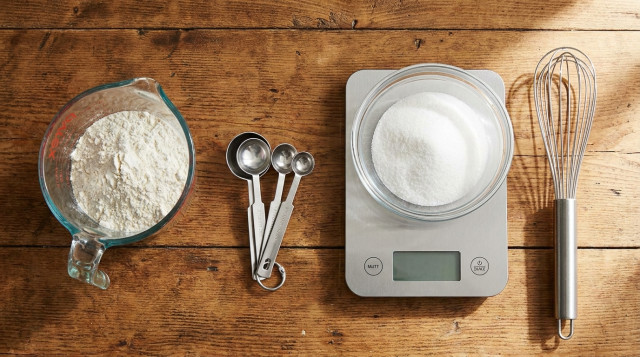
how to convert between metric and US cooking measurements is a must-know skill for anyone who follows recipes from different countries. This guide explains common volume and weight conversions used in cooking—cups, tablespoons, teaspoons, milliliters and grams—shows practical conversion factors, step-by-step methods to convert manually and with an online calculator, and warns about common pitfalls that affect recipe results.
how to convert between metric and US cooking measurements: common units and when to use them
In cooking you’ll encounter two main systems: metric (grams, milliliters) and US customary (cups, tablespoons, teaspoons, ounces). Use weight (grams) for dry ingredients when precision matters (baking). Use volume (cups, ml) for liquids and quick home cooking. This article focuses on converting between these units so you can follow recipes correctly.
frequently used units
- Volume (US): 1 cup (US), 1 tablespoon (tbsp), 1 teaspoon (tsp)
- Volume (Metric): milliliters (mL), liters (L)
- Weight (Metric): grams (g), kilograms (kg)
- Weight (US/Imperial): ounces (oz), pounds (lb) — less common in recipes outside US
key conversion factors you need to know
Below are core conversion factors used in most recipes. Keep in mind that dry ingredient weight per volume varies by ingredient (flour vs sugar vs butter).
- 1 US cup = 240 mL (commonly used practical value)
- 1 US tablespoon = 15 mL
- 1 US teaspoon = 5 mL
- 1 ounce (weight) = 28.35 g
- 1 pound = 453.59 g
common ingredient-specific weights (approximate)
These are average weight-per-volume values useful when converting recipes that list dry ingredients by cups into grams:
| Ingredient | 1 cup (US) ≈ |
|---|---|
| All-purpose flour (sifted) | 120 g |
| Granulated sugar | 200 g |
| Brown sugar (packed) | 220 g |
| Butter | 227 g (1 stick US = 113.5 g) |
| Milk or water (liquid) | 240 g (240 mL) |
step-by-step method to convert cups to grams (manual)
Follow these steps when a recipe uses cups and you want grams:
- Identify the ingredient (flour, sugar, butter, etc.). Weight per cup differs by ingredient.
- Find the appropriate grams-per-cup value from the table above or a trusted conversion list.
- Multiply the number of cups by grams-per-cup to get grams.
- If the recipe gives fractions (e.g., 3/4 cup), convert to decimal or multiply fraction by grams-per-cup.
example: convert 2 1/2 cups of all-purpose flour to grams
1 cup all-purpose flour ≈ 120 g. Calculation: 2.5 × 120 g = 300 g. So 2 1/2 cups ≈ 300 g of flour.
how to convert grams to cups (manual)
To convert grams to cups you reverse the calculation:
- Know the grams-per-cup for the ingredient.
- Divide the grams by that value to get cups.
example: convert 150 g granulated sugar to cups
1 cup sugar ≈ 200 g. Calculation: 150 g ÷ 200 g/cup = 0.75 cup (3/4 cup).
convert between tablespoons/teaspoons and milliliters or grams
Use the fixed volume conversions for tablespoons and teaspoons:
- 1 tbsp = 15 mL
- 1 tsp = 5 mL
For weight, multiply the volume (in mL) by the ingredient density (g/mL). Water ≈ 1 g/mL, so 1 tbsp water ≈ 15 g.
example: 2 tbsp honey to grams
Honey density ≈ 1.42 g/mL. 2 tbsp = 30 mL. Calculation: 30 mL × 1.42 g/mL = 42.6 g ≈ 43 g.
using an online calculator to convert cooking measurements
Online converters speed up conversions and reduce error. To use a cooking measurement calculator on https://calculatorr.com/ or similar tools:
- Select the conversion type: volume-to-weight, weight-to-volume, or unit-to-unit (cups ↔ mL, tbsp ↔ g).
- Choose the ingredient when available. The calculator applies the correct density.
- Enter the amount and unit (e.g., '1.5 cups').
- Read the result in the target unit (grams, mL, cups).
Using an online tool is especially helpful when a recipe lists unusual ingredients or when you want precision for baking. Remember to verify the ingredient list in the tool, as some converters default to water density.
interpreting results and practical tips for cooks
When the calculator returns a number, think about precision and rounding: baking benefits from rounding to the nearest gram; casual cooking can round to the nearest tablespoon or teaspoon. Also consider:
- Ingredient state: sifted flour weighs less per cup than unsifted flour.
- Packing: packed brown sugar vs loose brown sugar changes weight.
- Temperature: butter softened vs chilled has volume differences but weight is constant.
If a conversion gives an odd decimal, convert to common kitchen fractions (e.g., 0.75 cup = 3/4 cup). When baking, prefer weight measurements for repeatable results.
common errors and how to avoid them
- Using a generic grams-per-cup regardless of ingredient: always pick the correct density for accuracy.
- Assuming 1 cup = 250 mL: many US recipes use 240 mL. Check recipe origin and use the correct cup definition.
- For liquids, confusing mL and grams only works for water-based liquids; oils and syrups have different densities.
- Measuring by eye instead of leveling cups or spoons leads to inconsistent results—use a kitchen scale for best precision.
conversion quick reference (cheat sheet)
| From | To | Conversion |
|---|---|---|
| 1 US cup | milliliters | ≈ 240 mL |
| 1 tbsp | milliliters | = 15 mL |
| 1 tsp | milliliters | = 5 mL |
| 1 cup water | grams | ≈ 240 g |
| 1 cup all-purpose flour | grams | ≈ 120 g |
practical examples for common recipes
pancake batter: converting a US recipe to metric
Recipe: 1 1/2 cups all-purpose flour, 1 tbsp sugar, 1 tbsp baking powder, 1 tsp salt, 1 1/4 cups milk.
- Flour: 1.5 cups × 120 g/cup = 180 g
- Sugar: 1 tbsp ≈ 12.5 g (granulated sugar ≈ 200 g/cup → 1 tbsp = 200/16 ≈ 12.5 g)
- Baking powder, salt: use volume conversions (1 tbsp = 15 mL, 1 tsp = 5 mL)
- Milk: 1.25 cups × 240 mL/cup = 300 mL
Converted metric ingredients: 180 g flour, 12.5 g sugar, 15 mL baking powder, 5 mL salt, 300 mL milk.
where to find a reliable conversion tool
Use a specialty cooking converter that lets you select the ingredient. Calculatorr offers conversion utilities that include ingredient density and unit options—search for the cooking conversion tool on https://calculatorr.com/ to get accurate results quickly. Cross-check values when baking critical recipes.
final practical checklist before you start cooking
- Decide whether to measure by weight (recommended for baking) or volume.
- Choose the correct cup definition (US 240 mL vs metric 250 mL) based on the recipe source.
- Use ingredient-specific grams-per-cup values when converting dry ingredients.
- Round sensibly: grams to nearest whole number; volume to nearest 1/4 tsp or tbsp for small amounts.
- When in doubt, use a kitchen scale and an online converter like the tools at Calculatorr for convenience and accuracy.
With these conversion methods and practical tips, you can confidently follow recipes from any origin, scale them up or down, and get consistent results.